Urban Lawn & Landscape

Green residential lawn and planted borders beside a brick home

Overseeding in Charlotte, NC

Give thin, patchy grass a fresh start without replacing the whole lawn. Our overseeding work covers preparation, suitable grass seed and the care needed as new growth fills in.

Serving Charlotte and Nearby Communities

Get Your FREE Quote Today!

No obligation. We’ll call/text you within 24 hours.

or call (980) 616-4048
Main - Contact Form

Overseeding for Thin Lawns

Overseeding adds new grass to an existing lawn without removing all the turf you already have. It can help fill scattered gaps, improve density and restore coverage lost through summer stress or regular use.

We provide overseeding services for Charlotte homeowners who want to keep the healthy areas and improve the thin ones. Before we recommend overseeding, we look at what is growing, where coverage has been lost and whether the conditions will support new growth.

Is Your Yard Ready?

Lawn overseeding is useful when there is still healthy grass to build around. If the same spots keep failing, we need to understand the cause before repeating the treatment.

Thin Coverage With Healthy Turf Remaining

Scattered gaps and worn areas can be good candidates for overseeding. We look at how much healthy lawn remains and whether the bare patches are isolated or spread throughout the lawn. That helps determine the area to treat and the amount of preparation.

Bare Patches That Keep Coming Back

Heavy shade, persistent wet spots, compacted ground and repeated foot traffic can prevent new grass from lasting. Tell us which areas have failed before, even after previous attempts. Addressing the cause may matter more than applying another round of seed.

Mostly Bare Ground or a Changed Grade

If most of the lawn needs rebuilding or you want faster surface coverage, sod may be a better fit. We can discuss the preparation and establishment needs of each option. New lawns and established turf with a few gaps do not need the same scope.

What the Service Includes

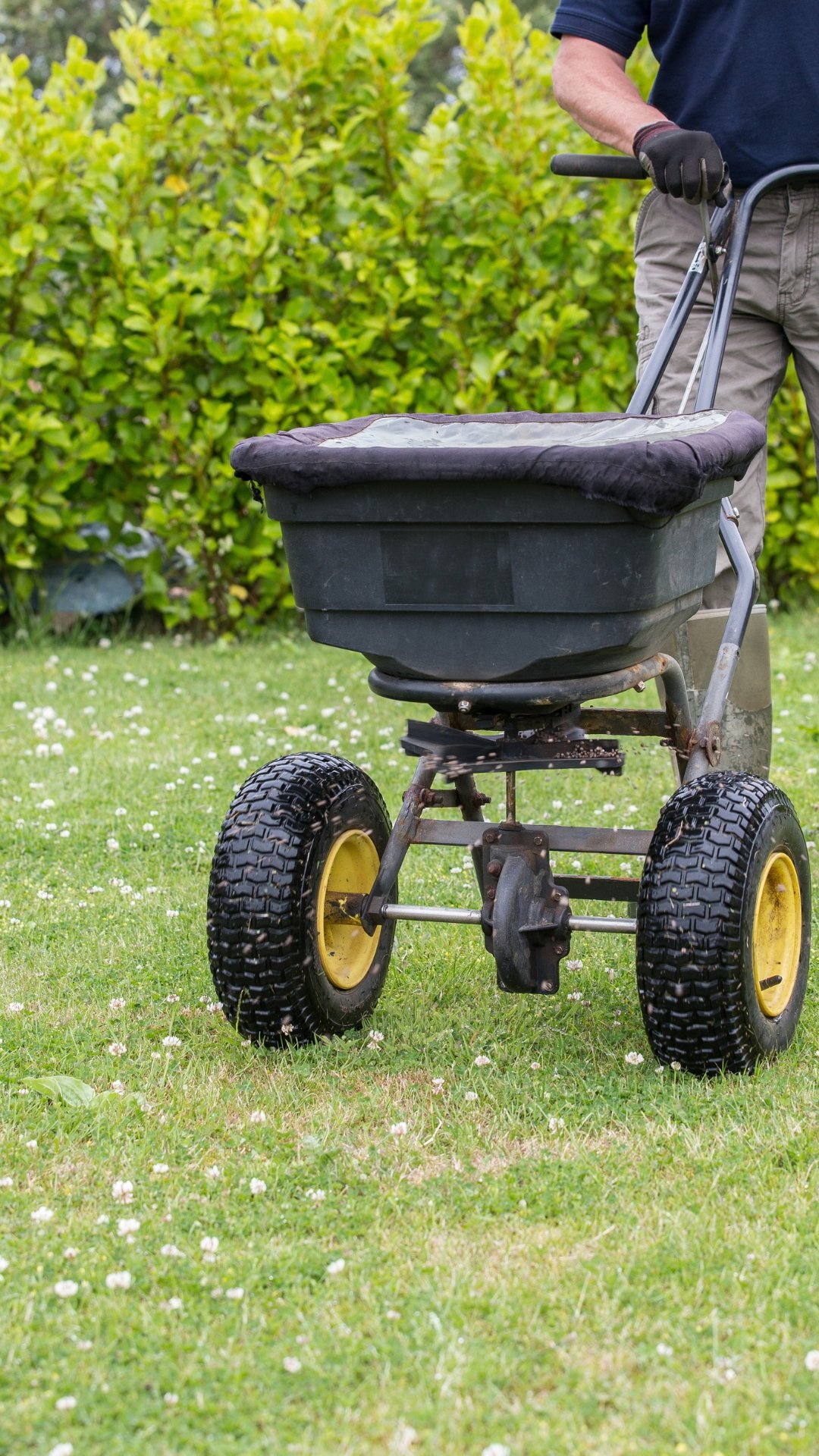
A broadcast spreader being pushed across an existing lawn
Preparing the surface and applying material evenly are part of the work.

Our overseeding service starts with the condition of your lawn, not a one-size-fits-all package. We discuss the area to cover, access for equipment and how you will keep the seeded soil moist after the visit.

Your estimate sets out the lawn preparation, overseeding and care instructions included. Additional services, such as aeration or repairing a drainage problem, should be considered before the appointment so the scope and price reflect what is needed.

  • Check the existing grass, thin spots and usable access.
  • Choose suitable grass seed and an overseeding plan for your lawn.
  • Prepare the soil, complete seeding and explain the aftercare.

When to Overseed in Charlotte

Fall is the preferred period for cool season turf renovation in North Carolina. For these lawns in Charlotte, NC, September and October are the main planning months, with the earlier part of that period generally giving seedlings more time to establish. Fall scheduling depends on weather, moisture and the condition of the site.

Spring work can sometimes be appropriate, but new grass then has less time before summer heat. Bermuda and zoysia also need a different seasonal approach. Tell us what is growing now so we can plan around your turf type rather than apply the same fall schedule to every property.

Seed Choice and Preparation

Successful lawn seeding depends on the material reaching a receptive surface. Your lawn’s existing cover, recent treatments and available sunlight all affect that plan.

Seed for Fescue Grass

For a lawn with tall fescue grass, we consider turf-type varieties suited to the growing conditions and compatible with the existing cover. Fall overseeding should improve density without introducing an unsuitable mixture. More seed is not automatically better; application needs to match the treatment area and the product.

Contact With the Ground

A layer of leaves, clippings or matted growth can keep seeds away from soil and moisture. We identify the preparation needed before application. Supporting services such as mowing or cleanup may be part of that plan; the right approach depends on the surface rather than a fixed list of extra treatments.

Where Aeration Fits

Core aeration can help prepare compacted soil before overseeding, while the new seed supplies additional plants. These are different jobs, often arranged together. We can coordinate the work when aeration is appropriate; our separate service explains the equipment, preparation and benefits in more detail.
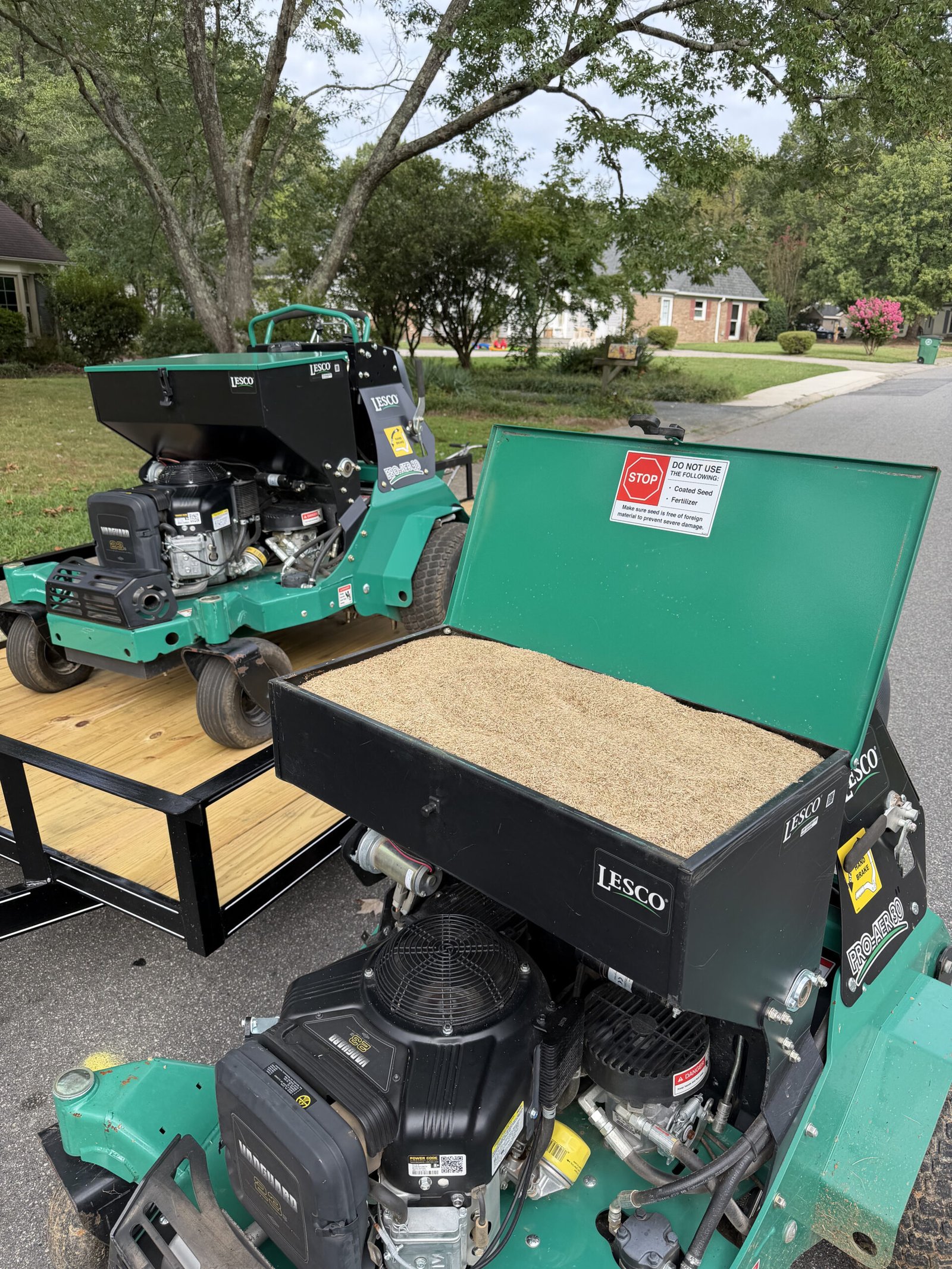
Urban aeration machine with seed visible in its open hopper

Recent Products and Feeding

Tell us about recent fertilizer or weed-control applications and bring the product names if you have them. Some treatments for weeds can interfere with new growth. Existing soil-test results can also help guide nutrients and feeding; the correct product and timing depend on the site and label directions.

If you already use another lawn care provider, share its treatment schedule with us. Coordinating the services helps avoid conflicting applications while new turf establishes.

Care After Overseeding

The overseeding visit is only the start of establishment. Plan for consistent care while the surface fills in, especially if you normally rely on rain.

  1. Keep the Seedbed Moist

    Use light watering suited to the conditions rather than flooding the area or following one sprinkler runtime everywhere. Check dry edges and sheltered spots as well as the center. Adjust for rainfall and follow local watering rules. Before we overseed your yard, confirm you can maintain moisture or discuss a different appointment.

  2. Protect the New Growth

    Limit unnecessary foot traffic and keep pets off vulnerable areas while they establish. Avoid dragging hoses, leaving toys on the surface or turning equipment sharply over young plants. As roots develop, watering needs change; the aim is to support establishment without leaving the ground constantly saturated.

  3. Resume Routine Maintenance Gradually

    The first cut depends on growth and establishment, not simply a date on the calendar. Use sharp blades and avoid taking too much off at once. Check before adding fertilizer or treatments for weeds. Your normal lawn care routine may need adjusting until the new plants can tolerate it.

Keep track of any places that stay thin or dry differently from the rest. Photos taken from the same spot help us understand what is happening if you have questions.

Common Questions

How long will it take to see a difference?

Germination and full coverage are separate stages. Conditions and seed type affect when shoots appear, while thickening takes longer. Regular moisture and suitable temperatures help, but no application creates an established surface immediately. We discuss what to expect for the proposed work without promising a fixed completion date for living turf.

Will overseeding get rid of weeds?

Thicker grass can leave less open space for weeds, but adding seed does not remove an existing infestation. If that is the main problem, tell us before scheduling. Treatment and application dates need to be coordinated so one part of the plan does not undermine the other.

Can I book without an irrigation system?

A permanent system is not essential if you can cover the treated areas consistently with sprinklers or another suitable setup. Work out the coverage and access to water before the visit. If you will be away or cannot maintain moisture, it may be better to arrange a different date.

What affects the price?

The treatment area, existing cover, preparation, access and any agreed supporting work affect your estimate. Send the property address, photos and a description of the thin areas for a free quote. We will discuss the service scope and price rather than assume every property needs the same package.

Local Help Beyond the First Visit

We serve the Charlotte area, including Mint Hill, Matthews, Indian Trail and Waxhaw. Tell us about any landscape changes planned around the work, especially excavation or heavy access that could disturb freshly treated areas.

Our lawn care services can be discussed alongside the project, but ongoing maintenance is separate from the application itself. Let us know what help you need so the proposal covers the work you actually want.

What Our Customers Say

Ready for Thicker Turf?

Send your address and a few photos of the areas you want to improve. We’ll discuss the work and arrange your free quote.

Call (980) 616-4048

Request your free quote

Share your contact details and the work you need.

Main - Contact Form

Scroll to Top